Why Professional Prep Matters Before Painting Your Interior
A clean paint finish starts before the first coat goes on. Good preparation helps walls, trim, and interior details look smoother, cleaner, and more professional.
The final paint finish is only as good as the surface underneath.
Paint can refresh a room, but preparation is what helps the result look smooth and intentional. Small repairs, sanding, cleaning, and protection can make a major difference in the final appearance.
Small imperfections become more visible after painting.
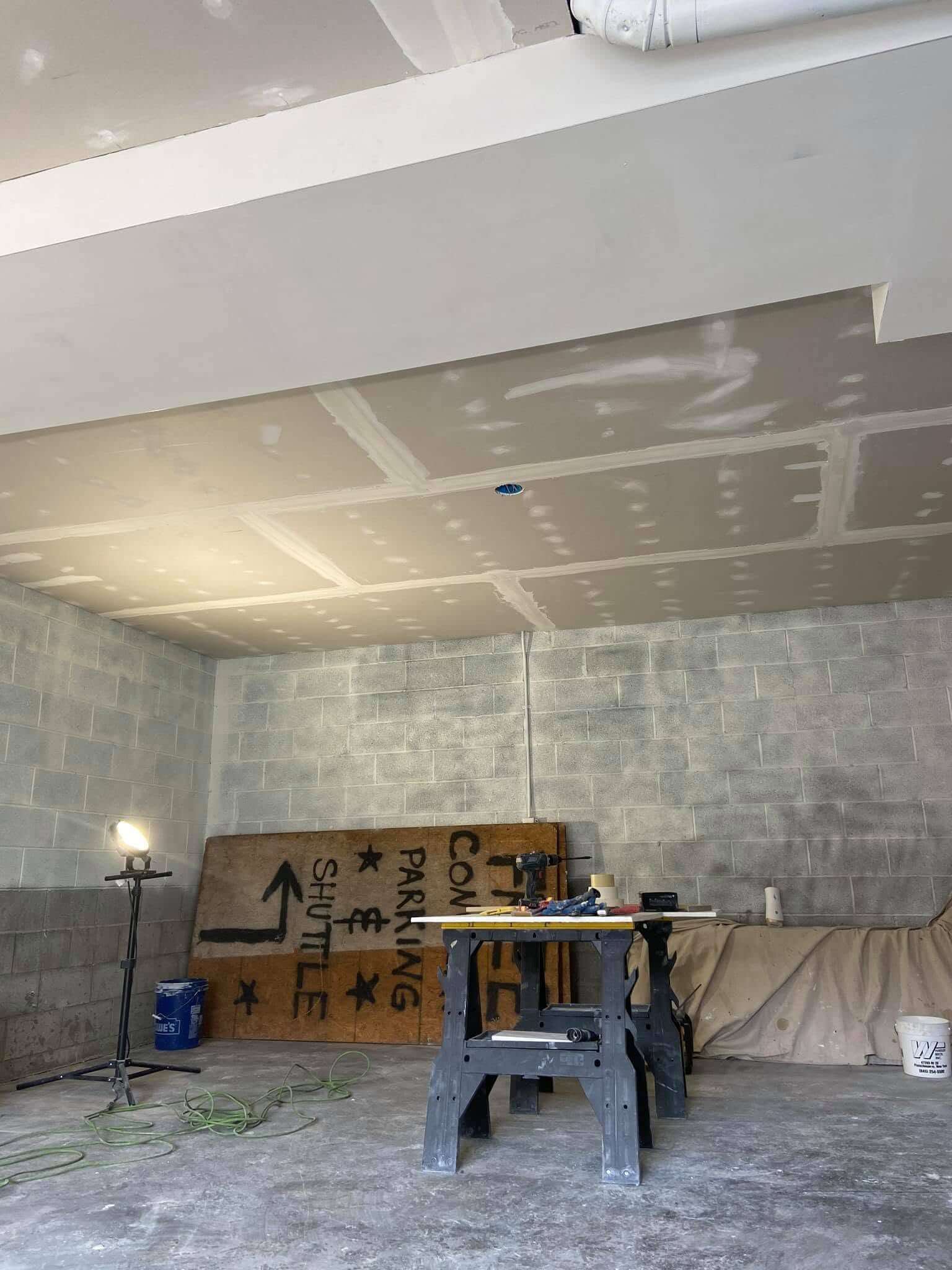
Fresh paint can highlight dents, cracks, holes, and rough areas if they are not corrected first. Repairing the surface helps the new color look cleaner and more even.
Small holes, damaged areas, and uneven sections should be addressed first.
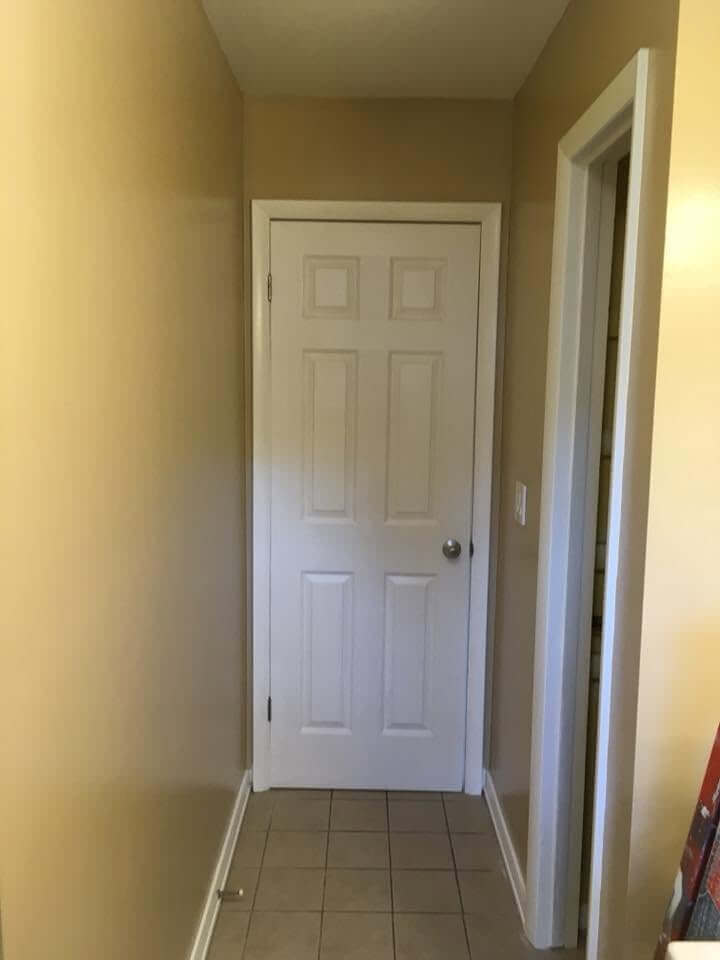
Baseboards, casings, and corners often need extra attention.
Sanding helps reduce texture changes and visible edges.
Stains and scuffs should be cleaned or treated before repainting.
Professional prep also protects the parts that should not be painted.
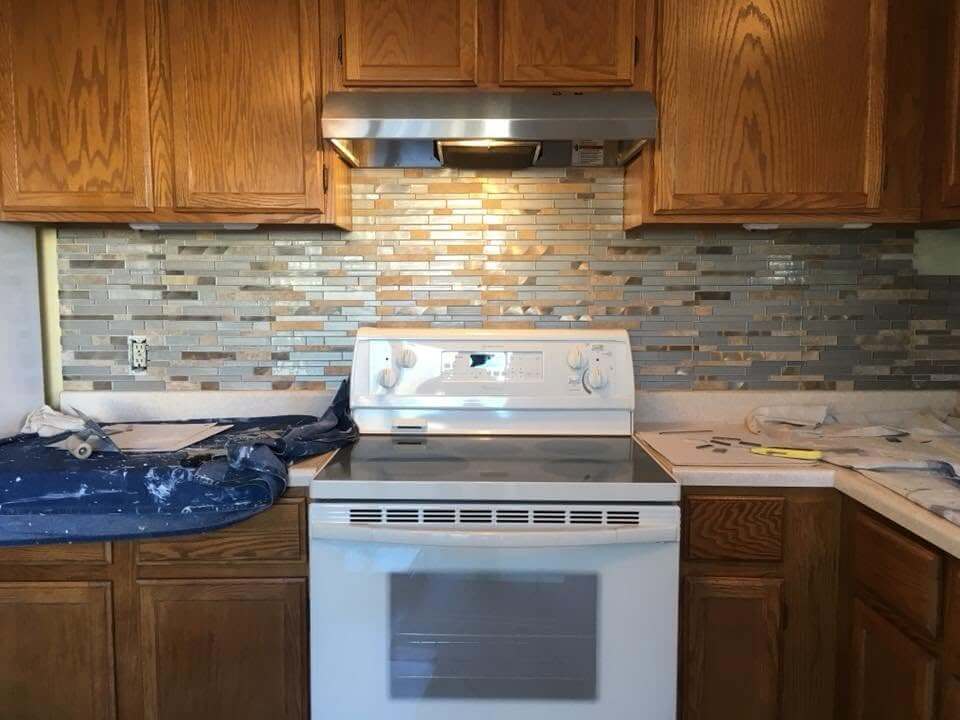
Covering flooring helps prevent paint drops, dust, and scratches during the work.
Careful prep helps create cleaner lines around doors, windows, and baseboards.
Hardware, lights, and other details should be protected or worked around carefully.
Moving and covering items keeps the work area cleaner and safer.

“The difference between a basic paint job and a professional finish is often the preparation.”
Paint looks better when the surface is ready for it.
Cleaning, sanding, patching, and priming where needed all help the paint lay down better. This creates a cleaner look and helps the finish feel more complete.
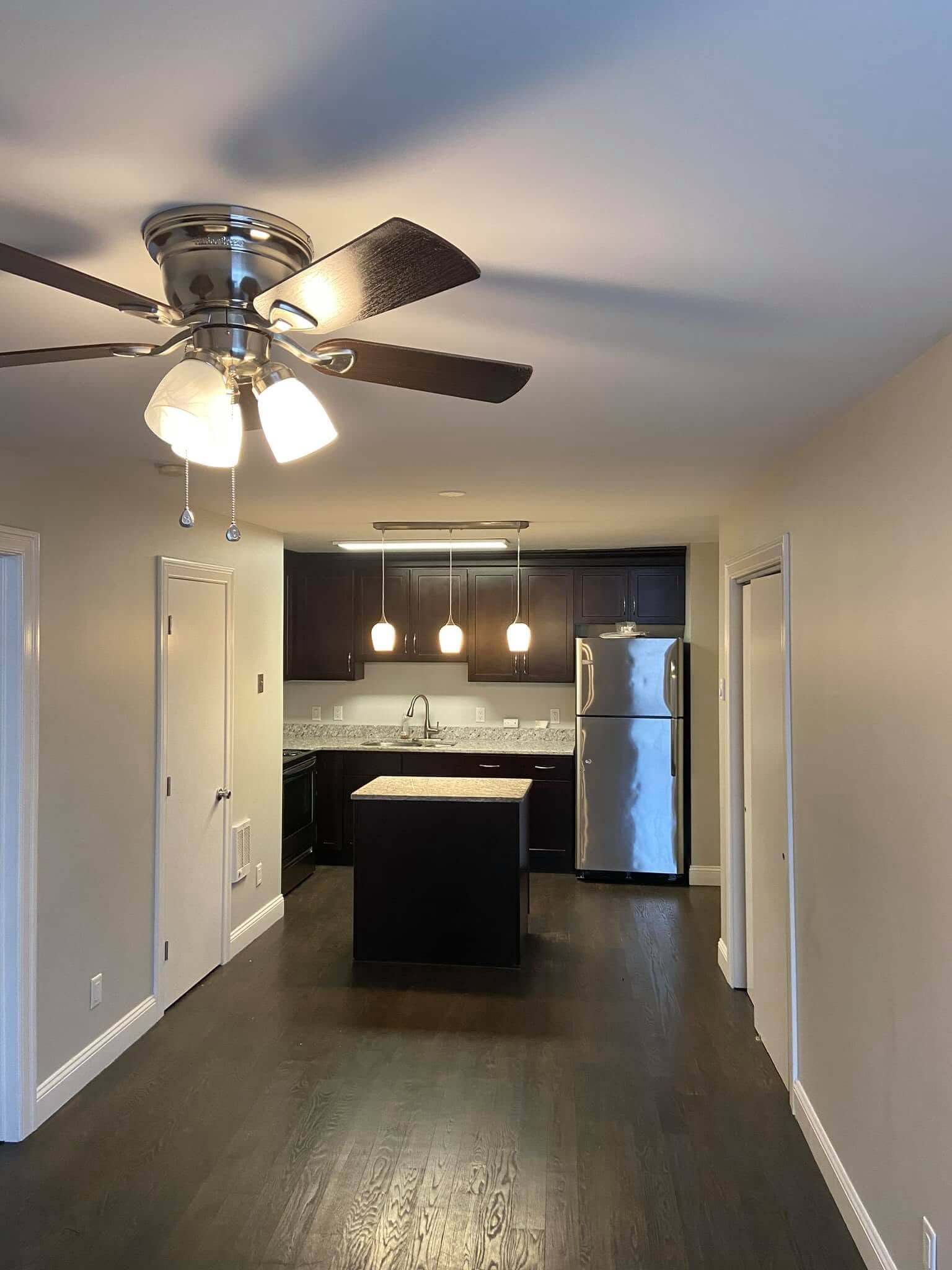
Cleaner walls, sharper edges, and a more professional result.
Preparation may not be the most visible part of the project, but it is one of the most important steps for a quality interior painting result.